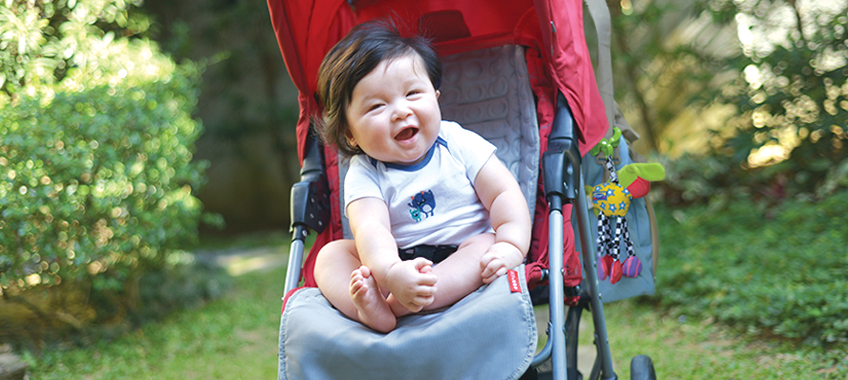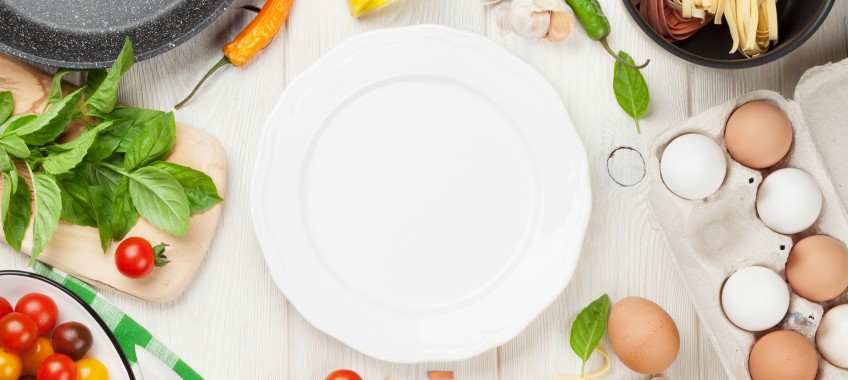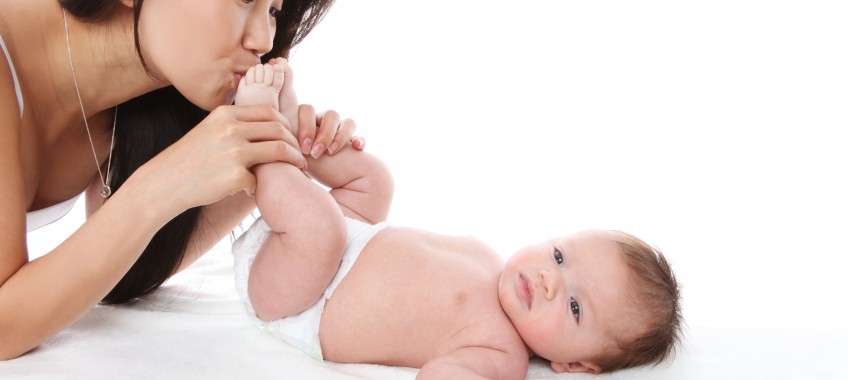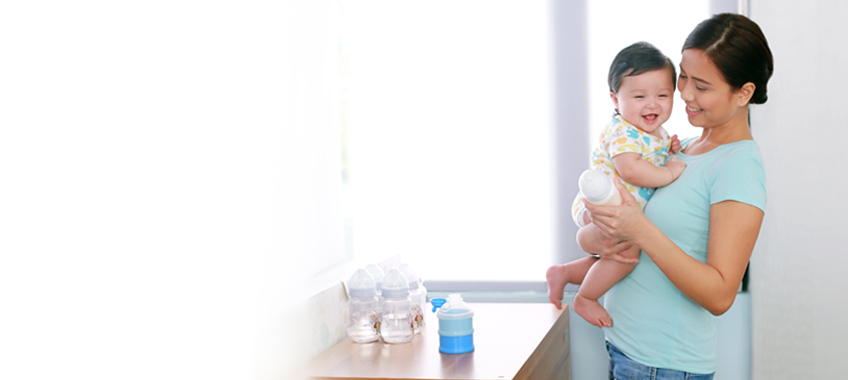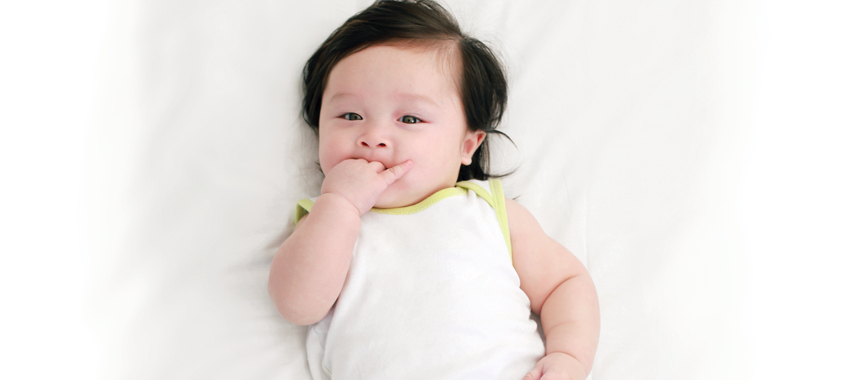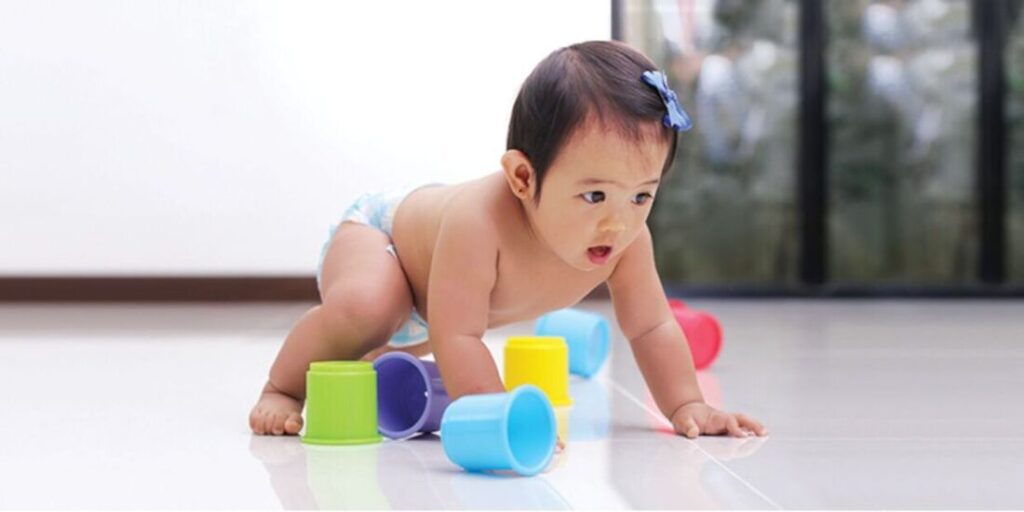
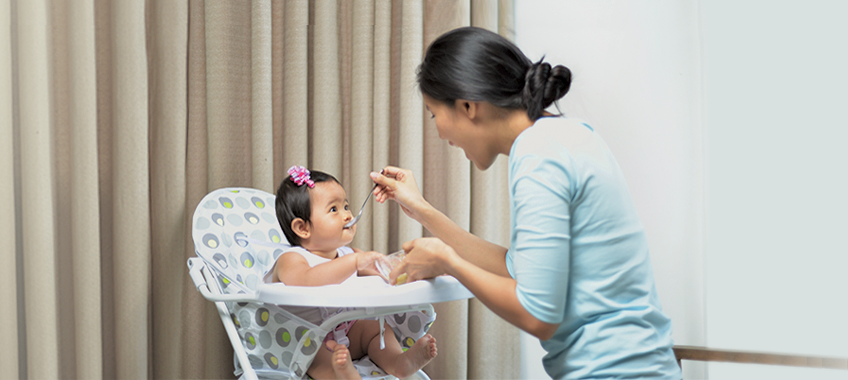
First smile, first step, and first solid food—these are just a few “firsts” that every parent looks forward to. Mothers often measure their baby’s growth by the milestones their little one has achieved.
Feeding your baby their first solid food can be a bit overwhelming, especially for first-time parents. There are a lot of things to consider: when to introduce solid food, what foods to offer, and how much your baby should eat. It is important to be mindful of these decisions because how you feed your baby now can help shape their eating habits in the future.
If you think it’s time to start feeding your little one solid food, consider the following.
Signs Your Baby Is Ready for Solid Food
According to experts, babies are ready for their first solid food by the time they are between the ages of four and six months of age. This is the time when they lose the natural reflex of pushing out any food placed into their mouths.
Try answering some of these questions about your baby:
- Can they keep their head and neck up without your support when being spoon-fed?
- Did their birth weight double since then?
- Do they express interest in the food you are eating, or do they open their mouth when food comes their way?
- When you try feeding your baby mashed potatoes or fruits like a banana or an apple, can they keep the food inside instead of dribbling it off their mouth?
- Is the baby ready and willing to chew?
- Do they grab food and put it in their mouth during mealtime?
If you answered yes to all of these questions, your baby may be ready to start eating solid food.
What Foods Can Babies Eat?
Many first-time parents worry about which foods are safe for their babies. A baby’s digestive system is still developing before 4 months of age, but different foods can be introduced as your baby grows.
|
Age |
Recommended Foods |
| 4–6 months | Single-grain cereals such as rice cereal or oatmeal |
| 4–8 months | Pureed vegetables, fruits, and meats |
| 9–12 months | Chopped, ground, or mashed foods such as finely chopped crackers, ground meat, fish, and chicken |
Foods to Avoid
On top of these allowable options, there are also certain types of food that babies are not yet allowed to eat. They are:
- Nuts, Popcorn, Raisins, Dried Cranberries, and Peanut Butter – Given that babies are just starting to learn how to properly ingest and swallow food, these can be considered choking hazards.
- Citrus – Some babies may be allergic to certain citrus fruits. It is better to consult with your doctor first to confirm and decrease the risk of an allergic reaction.
- Honey – Honey can cause botulism, especially when introduced to the baby at an early age. Botulism is a serious paralytic illness that is triggered when the infant ingests infected food. If left untreated, botulism can cause paralysis of the respiratory muscles, trunk, arms, and legs.
Items That Make Feeding Easier
Now that your baby is ready to eat their first solid food, it would be nice to have certain items that can help make feeding them easier. Here are some baby-feeding tools you might want to purchase:
- Use non-breakable plates and utensils to keep babies from harming themselves. Take note that at an early age, babies are pickier with the food that they want to eat and might have small tantrums during mealtimes. When your baby throws a tantrum during mealtime, having non-breakable utensils can help ensure that your baby does not harm themself.
- Bibs for easier cleaning in case food falls out of your baby’s mouth.
Watch for Food Allergies
Although introducing a variety of foods is encouraged, some babies may be allergic to certain ingredients. Common food allergens include eggs, shellfish, peanuts, and cow’s milk, among others. Some doctors recommend delaying the introduction of certain allergenic foods until your baby is at least 6 months old, depending on their individual needs.
At the end of the day, the safest way to decide which solid foods to introduce is to consult your pediatrician.
Starting Your Baby’s Solid Food Journey
Introducing your baby to their first solid food can be both exciting and overwhelming. It is an important milestone, not only for parents but also for your baby’s growth and development. With patience, the right foods, and guidance from your pediatrician, you can help your little one develop healthy eating habits that may benefit them for years to come.
Do you have questions on breastfeeding or other baby feeding concerns? You can check out more information here.
Better yet, ask our EQ Support for more advice.
Sources:
http://www.webmd.com/parenting/baby/babyfoodnutrition9/startingsolidfood
https://www.healthychildren.org/English/agesstages/baby/feedingnutrition
http://www.parents.com/baby/feeding/solidfoods/startingsolidsguide/